Pasture fence with Hippo Safety Fence tape

Two row tape fence for paddocks and pastures: Hippo Safety Fence tape on solid recycled plastic posts. The tape releases at about 300 kg so the horse walks away, and the posts never rot or need painting. 15 year warranty. Price it yourself in the fence configurator.

Product details

What this fence is for

A horse that hits a rigid fence at speed gets hurt. That is the whole reason this system exists: the Hippo Safety Fence tape gives way at around 300 kg of load and lets go instead of holding a half tonne of animal against a solid rail. You splice it back together in a couple of minutes with a tape connector – the horse walks away.

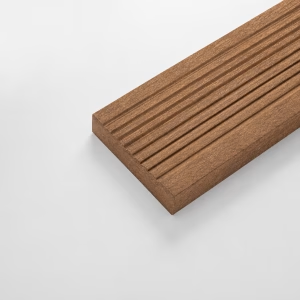
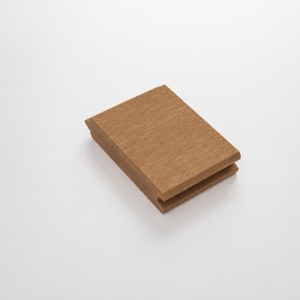
The posts are the other half of the job. Solid Ecoplank posts made of recycled plastic do not rot at ground level, do not splinter, and never need painting or creosote – the two reasons a timber paddock fence gets rebuilt every few years.

This is the cheapest way to fence a large area properly: structural posts only where the tension actually pulls – corners, gates, every 50 m of a straight run – and lighter driven posts in between.

Where it works

  • Paddocks and turnouts – the everyday fence, where safety on impact matters most.
  • Pastures and grazing blocks – long runs and big areas, fenced at sensible cost.
  • Temporary and rotational divisions – split a paddock with a corner handle, move it next season.
  • Stud farms with foals and youngstock – horses that test the fence and misjudge distances.
  • Riding arena and lunging ring surrounds – a visible line that does not injure.
  • Wet ground, pond and ditch edges – where timber posts rot off first.

What you get

The kit has two parts, fitted in that order: posts first, tape second.

Structural post 9 x 9 cm recycled plastic, concreted in with braces (the braces are concreted too). Carries the tape tension.
Intermediate post 7 x 7 cm recycled plastic, driven into the ground, no concrete. Carries the tape between structural posts.
Hippo Safety Fence tape the fence itself – visible, flexible, breaks at about 300 kg
Handles straight and corner; the corner handle also splits a paddock
Ratchet tensioner one per 100 m of tape maximum
Tape connector splices the tape after a break
Screws 60 x 6 mm with washers for handles and tape ends

Not included: concrete for the structural posts and braces, gates, transport (quoted together with the goods).

Spacing and heights

Post spacing 3 m maximum, never more
Top tape 140 cm above ground
Bottom tape 80 cm above ground
Rows two (standard for horses)
Tensioner one per 100 m of tape

Where the structural posts go: every corner (two braces, at 90 degrees to each other), both sides of every gate (one brace each), every 50 m of straight run, and at every noticeable change of direction – going round a tree, for example. That is the minimum, not the target.

On site

Tools: post driver or a heavy hammer, cordless driver, concrete, spirit level, tape measure, scissors or a knife for the tape, hammer.

The rule everything depends on

The first post, the last post and every corner post must be completely immovable. The entire pull of the tensioned tape rests on them. If they move, the fence goes slack.

  1. Set the structural posts – concrete them in, and concrete the braces as well. A post on its own is not enough: once the tape is tensioned an unbraced corner leans out of plumb.
  2. Drive the intermediate posts – 7 x 7 cm, straight into the ground, no more than 3 m apart.
  3. Prepare the handles – squeeze them with a hammer and slide them onto the tape.
  4. Fix the start of the tape – four screws with washers into the first post. Wrap the tape once or twice around the post: that spare length is what you use if you ever have to repair it.
  5. Roll out and screw the handles – along the fence line, at 80 and 140 cm, with 60 x 6 mm screws. Corner handles at the corners and at any paddock division.
  6. Tension it – fit the tensioner at the end of the 100 m run. Pull the tape through by hand first (a 100 m roll stretches by about a metre), ratchet twice, cut the tape, then take up a few more clicks. One tensioner can tension all the rows if you mount it behind the post.

Electrification (optional): the grooves in the handles take either a galvanised electric wire or a thin electric rope. The rope is the safer choice – it snaps easily under load.

After the first warm day – retighten

The tape moves with temperature. Fitted on a cold day, it will need one more pull on the ratchet the first time the sun comes out. Skip that and the fence hangs loose all summer.

When a horse hits it

The tape breaks at around 300 kg. That is deliberate – it is the safety feature, not a fault. Repair takes minutes: unwind the spare tape from the post, put the two ends together and join them with a tape connector.

The five mistakes we see most often

  • Braces not concreted. The post alone is too little – the corner leans as soon as the tape is tensioned.
  • Spacing over 3 m. The tape starts to wave and loses its tension.
  • One tensioner on more than 100 m. It cannot pull evenly over that distance.
  • No retightening after the first warm day. The fence stays slack for the rest of the summer.
  • Too few structural posts. Corners, both sides of every gate, every 50 m and every change of direction – that is the minimum.

What it costs you after it is installed

  • Nothing to paint or impregnate. The colour runs through the post; there is no coating to renew.
  • No post rotting off at ground level – the usual reason a timber paddock fence gets rebuilt.
  • Repairs are minutes, not a rebuild – a broken tape is spliced with a connector.
  • One pull on the ratchet after the first warm day, and that is the maintenance.

Cost of ownership over 15 years – purchase, maintenance and replacements:

Ecoplank posts 100%
WPC composite 165%
Pressure treated timber 240%
Hardwood 371%

Technical data

Post material 98% recycled PE and PP
Density approx. 0.92 kg/dm3
Structural post 9 x 9 cm, solid, concreted with braces
Intermediate post 7 x 7 cm, solid, driven
Post spacing 3 m maximum
Tape heights 80 and 140 cm above ground
Tape breaking load approx. 300 kg (safety release)
Reaction to fire class E (Fire-Lab)
Warranty 15 years on the posts

How much do I need and what does it cost

Price your fence in two minutes. You give the length, the number of corners and gates, and the configurator works out the posts, tape, handles and fittings and sends a complete quotation to your account manager.

Open the fence configurator

If you would rather talk it through, we will help you work out the number of posts and the length of tape for your paddock.

Delivery and lead time

  • Lead time 2 to 4 weeks – the market does this in 2 to 3 months.
  • One account manager with a direct number, from quotation to unloading.
  • Transport is quoted together with the goods, in the offer – no surprises at the end.

Warranty and certificates

15 years warranty

  • ITB testing – strength and slip resistance
  • Fire-Lab – reaction to fire, class E
  • Certified 98% recycled plastic content

Download files

Hippo Safety Fence installation manual (PDF)

Questions we get asked

Is a tape fence safe for horses?
That is the point of it. The tape releases at around 300 kg instead of holding the horse against a rigid rail, and it is wide enough to be clearly visible. A broken tape is a two-minute repair with a connector.
How far apart do the posts go?
Three metres at most. Wider than that and the tape starts to wave and loses tension. Structural posts go at every corner, on both sides of every gate, every 50 m of straight run and at every change of direction.
Why do the braces have to be concreted?
Because the whole pull of the tensioned tape ends up on the corner and end posts. A concreted post without concreted braces leans out of plumb as soon as you tension the tape – and then the whole run goes slack.
Can I electrify it?
Yes. The grooves in the handles take a galvanised electric wire or a thin electric rope. We recommend the rope: it snaps easily if a horse gets caught in it.
Do the posts rot at ground level?
No. They take up no water, so there is nothing to rot. That is the usual reason a timber paddock fence gets rebuilt after a few years.
Does it need maintenance?
One pull on the ratchet after the first warm day following installation, because the tape moves with temperature. After that, nothing – no painting, no impregnation.
Can I split a paddock later?
Yes. The corner handle is also what you use to run a division across a paddock, so you can section it off or set up rotational grazing.
What is the lead time?
2 to 4 weeks from order confirmation. Comparable suppliers quote 2 to 3 months.

Price your fence

Tell us what you’re building. A named account manager will send you the price and lead time within one business day.

Data controller: ECOPLANK P.S.A., ul. Piękna 11/1, Warsaw, Poland. Consent can be withdrawn at any time. Details in the Privacy Policy.

This site is protected by reCAPTCHA and the Google Privacy Policy and Terms of Service apply.

Free samples and a contractor price list

Data controller: ECOPLANK P.S.A., ul. Piękna 11/1, Warsaw, Poland. Consent can be withdrawn at any time. Details in the Privacy Policy.